Health risks linked to climate change cost Bangladesh about US$20.7 billion a year, or 4.6% of 2024 gross domestic product (GDP), a study launched in Dhaka on 29 October estimates.
The Knowledge Hub Institute (KHI), a Dhaka think-tank, presented the study, titled “Multi-Dimensional Health Impacts of Climate Change in Bangladesh: Pathways, Costs and Policy Implications”, at the BRAC Centre, The Business Standard reported. Many of its figures are modelled estimates rather than recorded counts.
Key findings
- Observed warming accounts for between $1 billion and $3.3 billion of the annual cost.
- Days reaching 36°C or more roughly doubled between the 2000s and the 2020s, based on data from eight divisional headquarters.
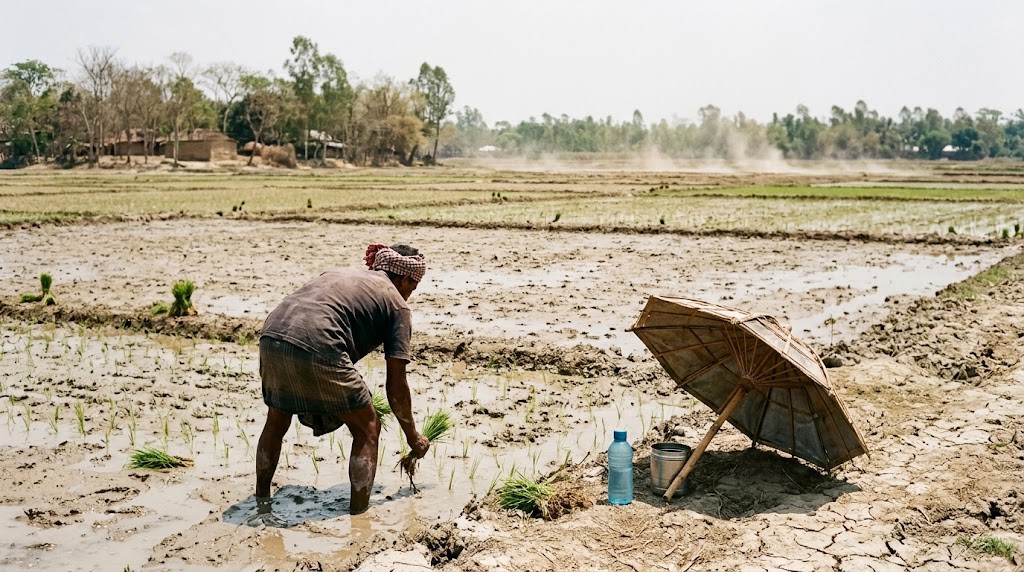
- Heat cost about 29.3 billion potential working hours in 2024, worth an estimated $15.8 billion. Farmers and farm workers lost nearly two-thirds of those hours.
- Models link high temperatures to about 16,000 deaths in 2023.
- Districts that were 1°C warmer over four weeks saw about 21% more dengue admissions two weeks later.
- Floods and cyclones damaged 824 health facilities in 2024. Disasters caused an average of 416 deaths a year from 2019 to 2024.
- Households paid about 79% of current health spending in 2023.
- The Health Services Division spent only 24% of its climate-related budget in the 2024-25 financial year.
What the study recommends
- A national heat-health action plan before the 2027 hot season, with district plans
- Weather alerts linked to set actions in hospitals and upazila health complexes
- Workplace rules on rest, drinking water, shade and working hours during heatwaves
- Better use of health budgets and full funding for the Health National Adaptation Plan
- Stronger preparedness for floods and disease outbreaks
MA Muhit, state minister, said rising heat and humidity were becoming “major public health concerns” and called for coordinated action. KHI president Khondaker Golam Moazzem said existing climate policies did not deal well enough with health, and urged Bangladesh to press for more climate finance in international talks, including COP31.
Why it matters
The figures add to growing evidence on the cost of inaction. A BRAC University study this month found the government’s climate-health adaptation plan needs $1.4 billion over five years. The dengue link also matters for health NGOs already stretched by the measles outbreak. Organisations working with farm workers, outdoor labourers and urban poor communities can use the heat findings to plan protection measures before next summer.
What to watch
Whether the health ministry adopts a heat-health action plan before March 2027, how much of the climate-related health budget is spent this year, and Bangladesh’s position on health finance at COP31.
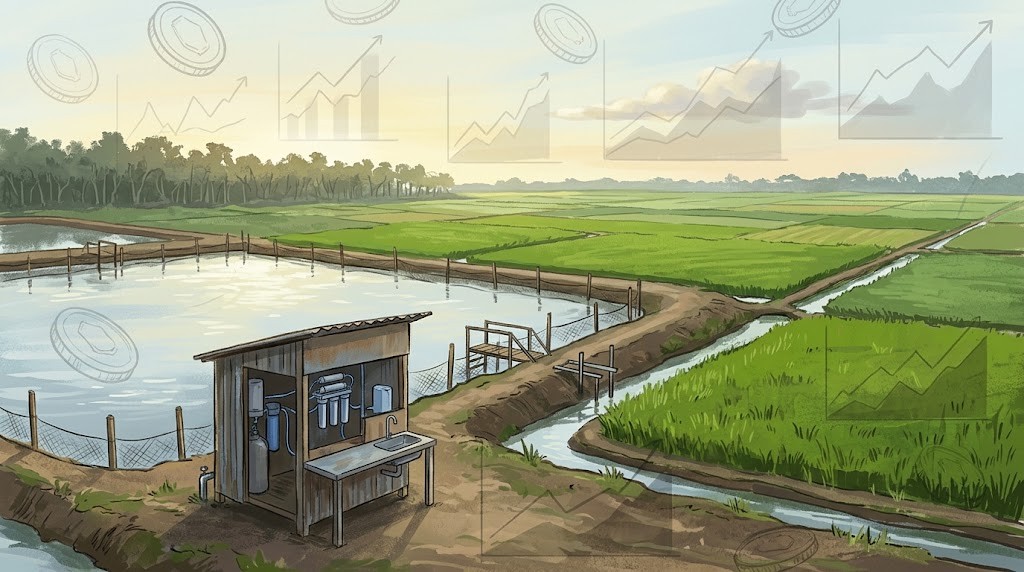
This story is based on reporting by The Business Standard; Devlens could not yet access the full study. Image: an illustration generated with Google Gemini. It is not a photograph.
Sources
- Climate-sensitive health risks cost Bangladesh $20.7b annually: Study, The Business Standard, 29 October 2026
Topics: climate disaster resilience · climate change · health · health nutrition · health support · national
Spotted an error? Tell us and we will correct it. Read our editorial standards.